Ceramic Coating vs. Paint Protection Film: Which Is Right for Your Vehicle?
If you are weighing ceramic coating against paint protection film, start here: these two products are not competing for the same job. They protect against different things, and choosing the right one, or the right combination, comes down to understanding what each actually does.
Ceramic coating is the stronger fit when your priority is a finish that stays cleaner, looks deeper, and is easier to maintain between washes. Paint protection film is the right call when you want a physical barrier against rock chips, road debris, and the kind of wear that builds up on the most exposed areas of the vehicle.
A lot of owners treat this like an either/or decision. It rarely is.
Quick Answer
Choose ceramic coating if you want:
- Easier washing and less upkeep between details
- Stronger gloss and visual depth
- Better water beading across the whole exterior
- A finish that stays cleaner longer
Choose paint protection film if you want:
- Real protection from rock chips and road debris
- A physical barrier on the areas that take the most abuse
- Long-term preservation of your front end and high-impact panels
- Peace of mind on the highway
Choose both if you want:
- Easier maintenance and genuine impact protection
- The best long-term outcome for your paint
- What most luxury and exotic owners end up doing anyway
What Is Ceramic Coating?
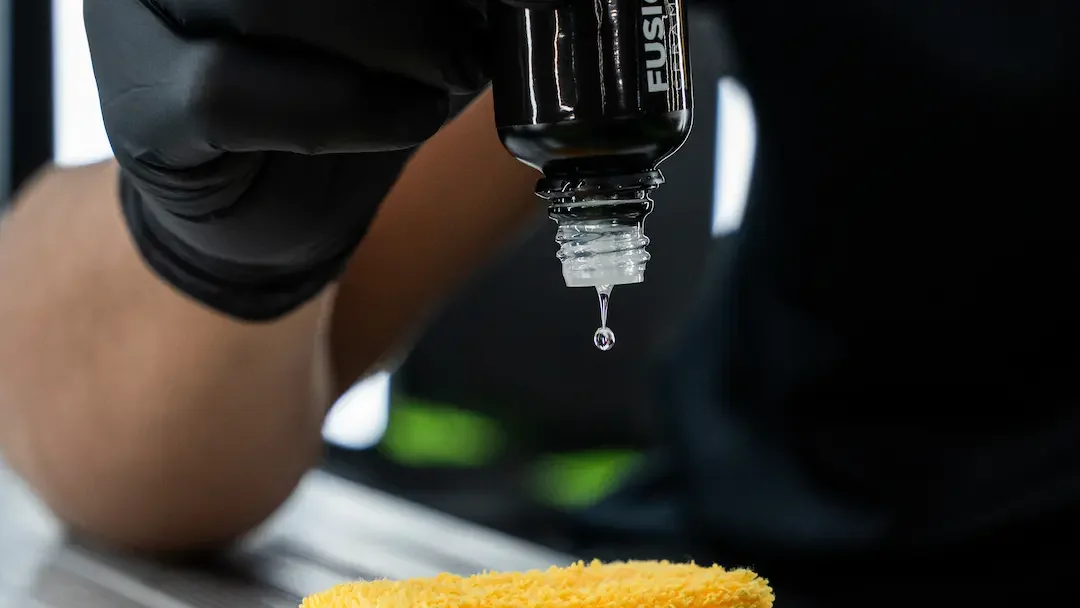
Ceramic coating is a liquid-applied protective layer that bonds directly to your vehicle’s painted surfaces. Once cured, it creates a semi-permanent barrier that makes the finish easier to clean, more resistant to contamination, and noticeably glossier.
It is the kind of protection that rewards owners who already care about their vehicle’s appearance, people who want professional detailing to go further and last longer between visits.
Ceramic coating genuinely helps with:
- Easier, faster washing
- Improved gloss and visual depth
- Hydrophobic water behavior, where water beads and sheets off instead of sitting
- Keeping dirt, grime, and road film from bonding as aggressively to the surface
- Reducing the effort required to keep the exterior looking sharp
What ceramic coating does not do:
- Stop rock chips
- Prevent deeper scratches or door dings
- Absorb impact from road debris
- Replace paint protection film where physical protection is the goal
If you drive on highways regularly, deal with gravel roads, or own a vehicle where a chip on the hood would genuinely bother you, ceramic coating alone will not solve that problem.
What Is Paint Protection Film?
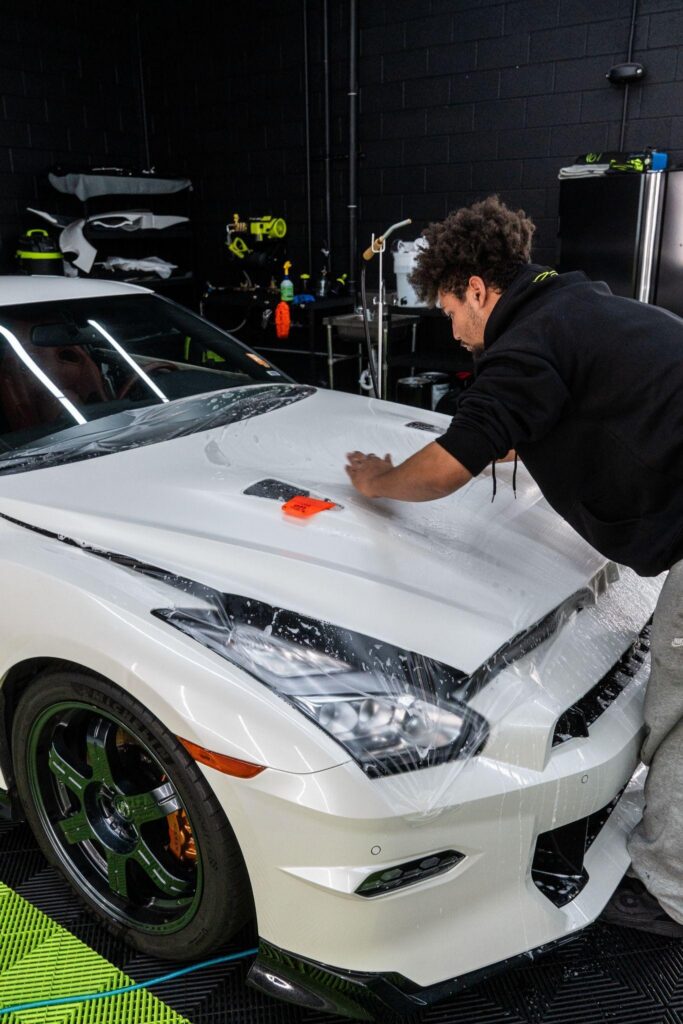
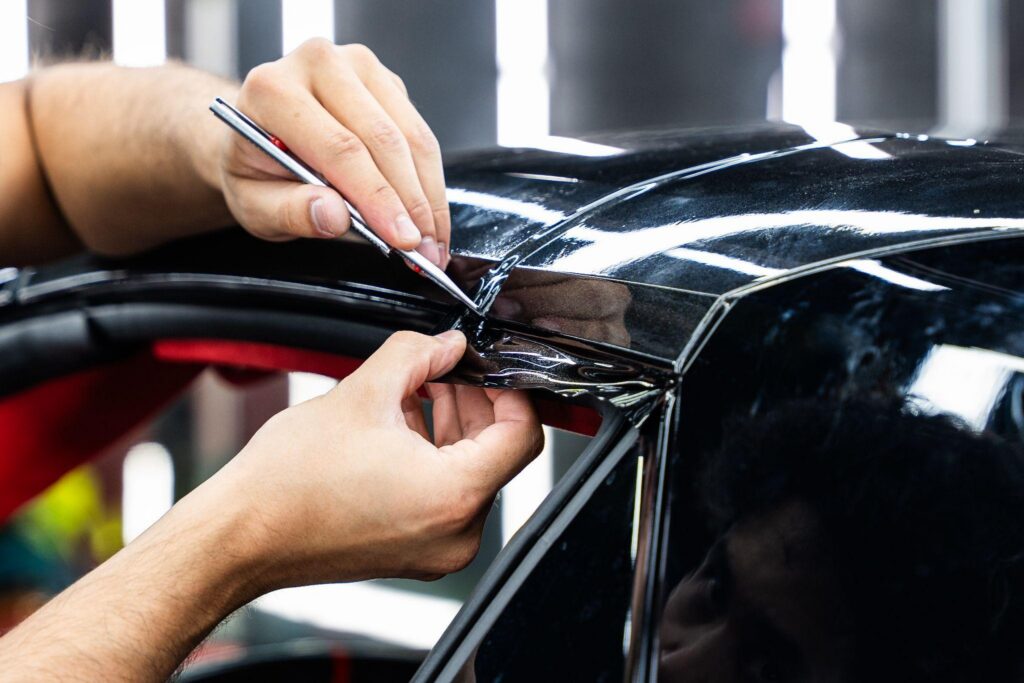
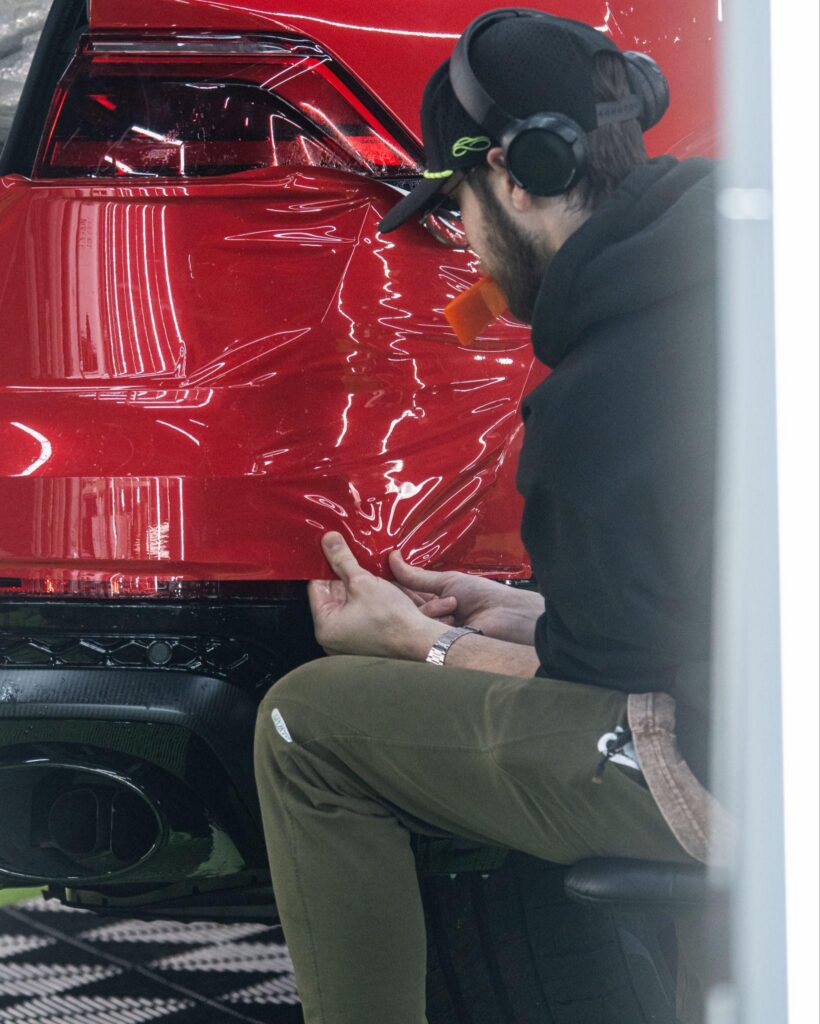
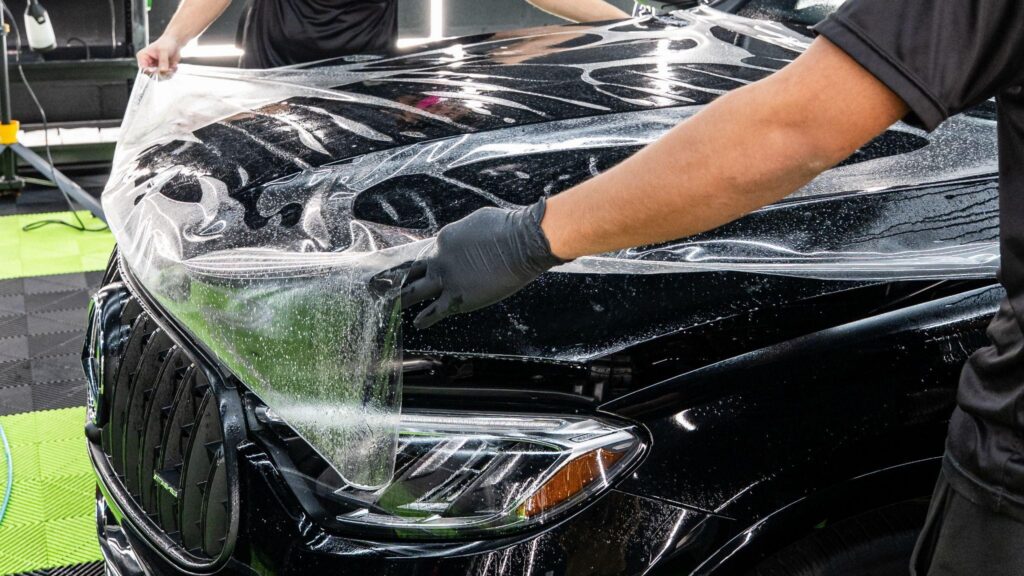
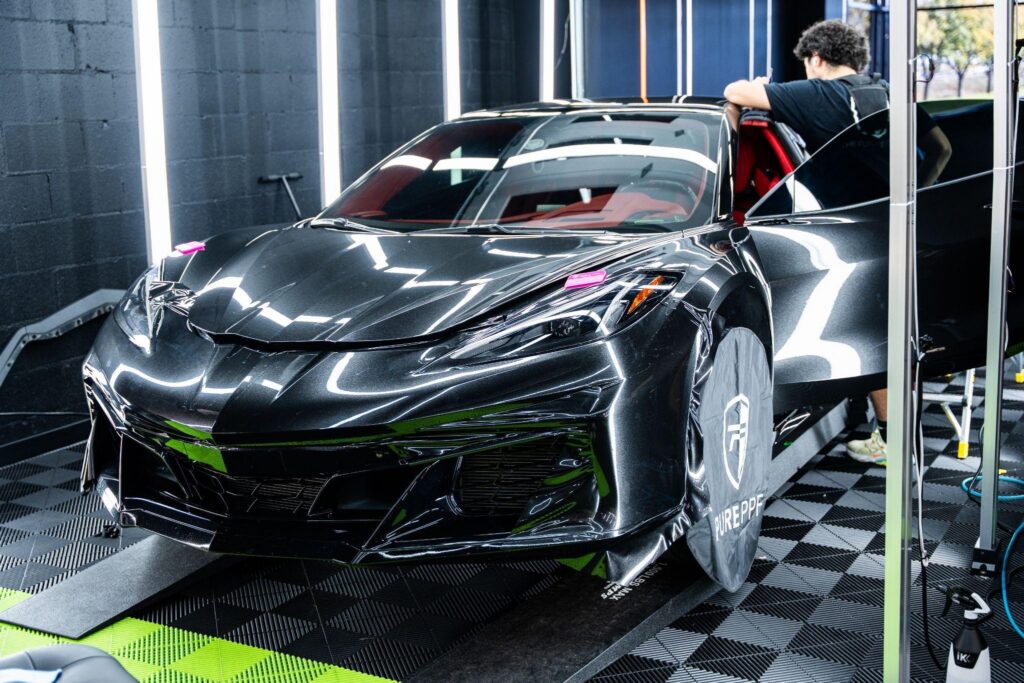
Paint protection film, or PPF, is a transparent urethane film applied directly over your paint. Unlike coating, it creates an actual physical barrier between the surface and whatever the road throws at it.
Premium PPF absorbs impact. It takes the hit so your paint does not. Many modern films also include self-healing properties, meaning light surface scratches close on their own with heat exposure.
PPF is designed to protect against:
- Rock chips and road debris
- Minor abrasions from everyday driving
- Paint damage on high-impact areas
- Long-term wear that accumulates on the front end over thousands of miles
Where PPF is most commonly installed:
- Front bumper
- Hood
- Front fenders
- Side mirrors
- Rocker panels
- Door edges
- Lower rear panels behind the rear wheels
These are the areas that take the most consistent abuse. Our PPF packages are designed around protecting exactly those zones, with options ranging from targeted front-end coverage to full-vehicle wraps depending on how far you want to go.
The Core Difference
The clearest way to think about it:
Ceramic coating improves the surface. PPF protects the surface from impact.
One makes your vehicle easier to live with. The other keeps it from getting damaged in the first place. They are complementary, not interchangeable.
Side-By-Side Comparison
| Feature | Ceramic Coating | Paint Protection Film |
| Gloss Enhancement | Strong | Moderate to strong |
| Easier Cleaning | Yes | Yes |
| Water Beading | Yes | Enhanced with coating on top |
| Rock Chip Protection | No | Yes |
| Physical Barrier | No | Yes |
| Self-Healing | No | Yes (on premium films) |
| Best For | Appearance and upkeep | High-impact protection |
Which One Is Right for You?
Ceramic coating makes more sense if you:
- Want your vehicle to stay cleaner and look better between washes
- Keep the vehicle garaged or in climate-controlled storage
- Do not drive in especially harsh or high-debris conditions
- Care more about surface quality and ease of maintenance than impact defense
PPF makes more sense if you:
- Log regular highway miles
- Want real protection from chips, not just a surface treatment
- Own a vehicle where paint damage would be genuinely frustrating, financially or emotionally
- Want to preserve your front end for the long term
Consider both if you:
- Want the strongest possible exterior protection strategy
- Own a luxury, exotic, or enthusiast vehicle, the kind that warrants professional ongoing maintenance
- Do not want to choose between how the car looks and how well it holds up
- Are a Club Endless member who expects a higher standard across every service
For most of our clients, combining both is the answer that makes the most sense. PPF handles the areas most vulnerable to damage. Ceramic coating goes over the rest, and in many cases over the PPF itself, to improve water behavior, gloss, and ease of cleaning across the entire vehicle.
Can You Combine Ceramic Coating and PPF?
Yes, and it is often the smartest approach.
PPF goes on first, protecting the high-impact panels. Ceramic coating can then be applied over the film and across the rest of the exterior, so the whole vehicle benefits from better water beading, stronger gloss, and easier upkeep. You get impact defense where it matters most, and a finish that is genuinely easier to maintain everywhere else.
What About Cost?
Cost scales with scope, not just product category.
Ceramic coating pricing depends on:
- Vehicle size and paint condition
- Paint correction work required beforehand
- Which package you choose (Basic, Pro, or Pro+)
PPF pricing depends on:
- How much of the vehicle is covered, whether partial front, full front, or full vehicle
- Body panel complexity
- Film type and finish (gloss or matte)
The better question is not which one is cheaper. It is which one protects against the kind of damage your specific vehicle is actually exposed to. Reach out and we can help you figure out what actually makes sense for your situation.
Common Misconceptions
“Ceramic coating prevents rock chips.” It does not. Coating protects the surface from contamination and makes it easier to clean. It is not designed to absorb impact. That is what PPF is for.
“PPF and ceramic coating do the same thing.” They overlap in a few ways, and both improve the long-term appearance of the paint, but they solve fundamentally different problems. PPF is physical protection. Ceramic coating is surface performance.
“Once it is installed, I never have to think about it again.” Neither option eliminates maintenance. Regular washing and the occasional professional detail still matter if you want either product to perform the way it should over time.
The Short Version
- Ceramic coating if your priority is a vehicle that looks exceptional and stays cleaner with less effort.
- PPF if your priority is protecting the paint from the real-world damage that comes with actually driving the car.
- Both if you want a complete exterior protection strategy and are not willing to compromise on either.
Frequently Asked Questions
Is ceramic coating better than PPF? Neither is universally better. Ceramic coating leads on gloss, hydrophobic performance, and ease of maintenance. PPF leads on physical protection, rock chip resistance, and impact absorption. They are built for different jobs.
Does PPF last longer than ceramic coating? Lifespan depends heavily on the product, installation quality, driving conditions, and how the vehicle is maintained. It should not be the primary factor in the decision. What each protects against matters more.
Can you put ceramic coating over PPF? Yes. Applying ceramic coating over PPF is a common and effective combination. It improves water beading on the film and makes the protected areas easier to clean.
Is PPF worth it on a daily driver? If the vehicle sees regular highway miles or roads where debris is a real factor, yes, often very much so. Paint damage accumulates quietly, and PPF is the most effective way to prevent it.
Is ceramic coating enough on its own? For some owners and some vehicles, yes. If impact protection is not a concern and easier maintenance is the goal, coating can absolutely stand on its own. If chips and road wear are the bigger worry, PPF is the stronger answer.